
Guide to Building a Logging Pipeline for EU AI Act Compliance
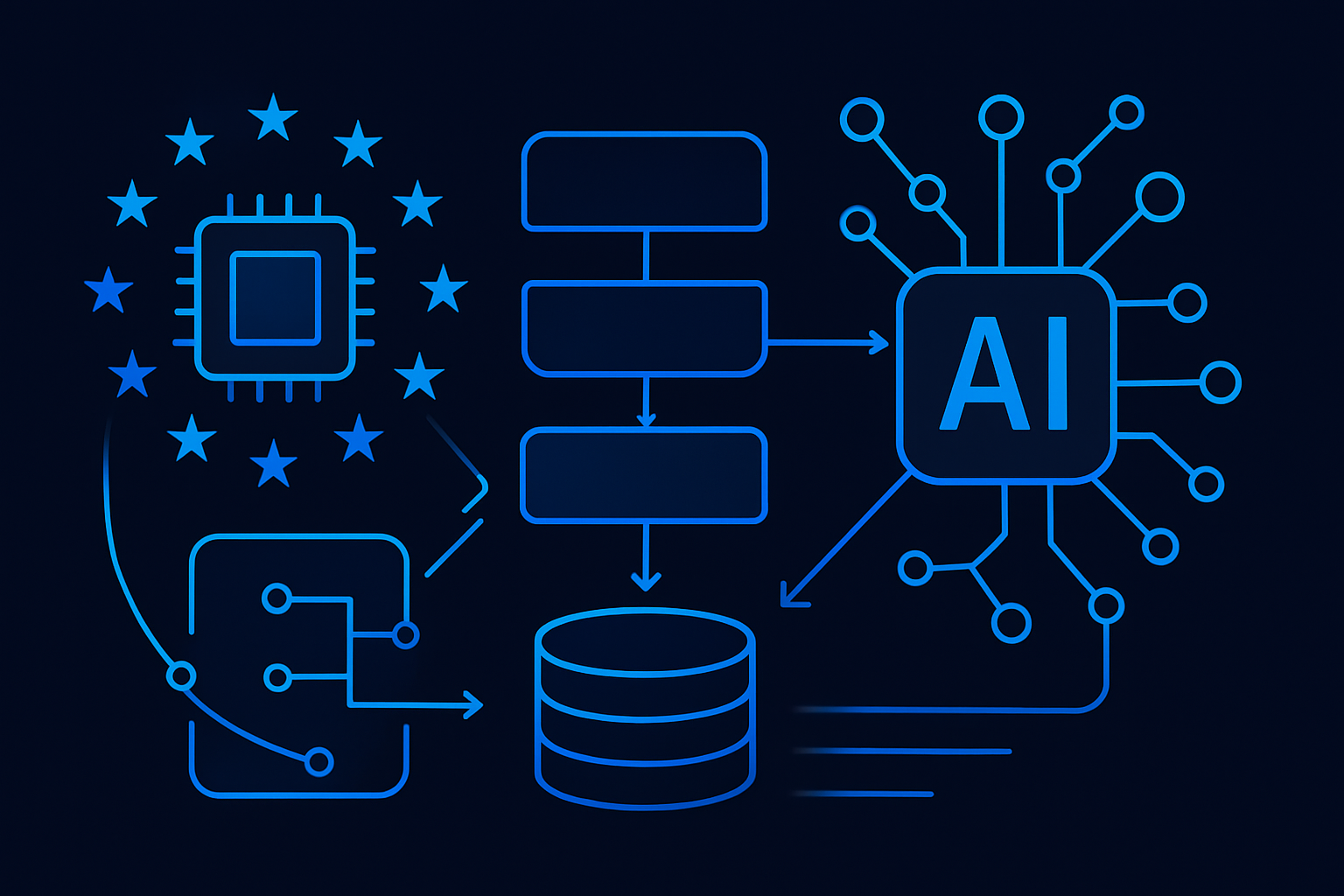
Building a Logging Pipeline for EU AI Act Article 12 Compliance
The EU AI Act aims to ensure the safe and ethical use of AI technologies across Europe. Article 12 mandates that high-risk AI systems must have robust logging mechanisms to ensure accountability and traceability. Implementing a logging pipeline that meets these requirements is crucial for organizations seeking compliance. This guide outlines the steps and frameworks necessary to establish such a pipeline.
Understanding the Requirements of Article 12
Article 12 of the EU AI Act emphasizes the need for logging mechanisms that facilitate the monitoring of AI systems. This includes:
- Recording data inputs and outputs
- Logging decisions made by AI systems
- Storing logs in a secure and retrievable manner
- Ensuring logs can be audited effectively
To comply, organizations must create a transparent logging framework that adheres to these guidelines.
Framework for Building a Logging Pipeline
To construct a compliant logging pipeline, follow these steps:
1. Define Logging Objectives
Identify what needs to be logged based on the specific AI applications and their associated risks. Consider including:
- Input data
- Model predictions
- Decision-making processes
- Access and modification logs
2. Choose the Right Logging Tools
Select tools that can capture and store logs efficiently. Options include:
- Log Management Systems: Tools like ELK Stack or Splunk for centralized log management.
- Data Storage Solutions: Use cloud-based or on-premise solutions to store logs securely.
3. Implement Logging Standards
Establish standards to ensure consistency across logs. This includes time stamps, unique identifiers, and severity levels. Adopt a common format such as JSON or XML for easy integration.
4. Ensure Data Security and Privacy
In compliance with GDPR and other regulations, secure logs by:
- Encrypting data at rest and in transit
- Implementing access controls
- Regularly auditing access to logs
5. Create Access and Monitoring Protocols
Establish who has access to logs and under what circumstances. Regular monitoring for unauthorized access or anomalies is essential.
6. Regularly Review and Update the Pipeline
Conduct periodic assessments of the logging pipeline to ensure ongoing compliance. This includes updating the tools and protocols used based on evolving regulations and technological advancements.
Example Implementation Steps
For practical application, consider the following implementation steps:
- Start with a pilot project to test the logging framework.
- Gather feedback from stakeholders and make adjustments.
- Roll out the logging pipeline across all high-risk AI systems.
- Train staff on the importance of compliance and the usage of the logging system.
Conclusion
Establishing a logging pipeline for EU AI Act compliance is a vital step for organizations employing high-risk AI systems. By following the outlined framework and focusing on security, data integrity, and regular audits, organizations can ensure they meet regulatory requirements effectively. For additional insights on AI governance, explore related topics such as RAG Row-Level Security for Multi-Tenant AI and the HAIEC Modular AI Governance Framework.
FAQ
What is the purpose of Article 12 in the EU AI Act?
Article 12 mandates that high-risk AI systems maintain logging mechanisms to ensure accountability and traceability of AI operations.
What type of data should be logged?
Organizations should log input data, model predictions, decision-making processes, and access logs to comply with Article 12.
How can organizations secure their logs?
Organizations can secure logs by encrypting data, implementing access controls, and regularly auditing log access.
What tools can be used for logging?
Tools like ELK Stack and Splunk are effective for centralized log management, while cloud-based storage solutions can be used for secure data storage.
How often should the logging pipeline be reviewed?
Organizations should conduct regular assessments of the logging pipeline to adapt to evolving regulations and technological changes.
Download the Guide to Building a Checklist
Enter your email to download the implementation checklist (Markdown).
We will email you the checklist and occasionally send AI governance insights. Unsubscribe anytime.
Get new articles in your inbox
One email when something ships. No drips. No funnels.

Subodh KC
AI Systems Architect & Governance Expert. Former Fortune 50 AI Strategy CTL. Founder of HAIEC — Holistic AI Ethics & Compliance. 16+ years building production AI systems from startups to global enterprise.