
Build a Logging Pipeline for EU AI Act Compliance
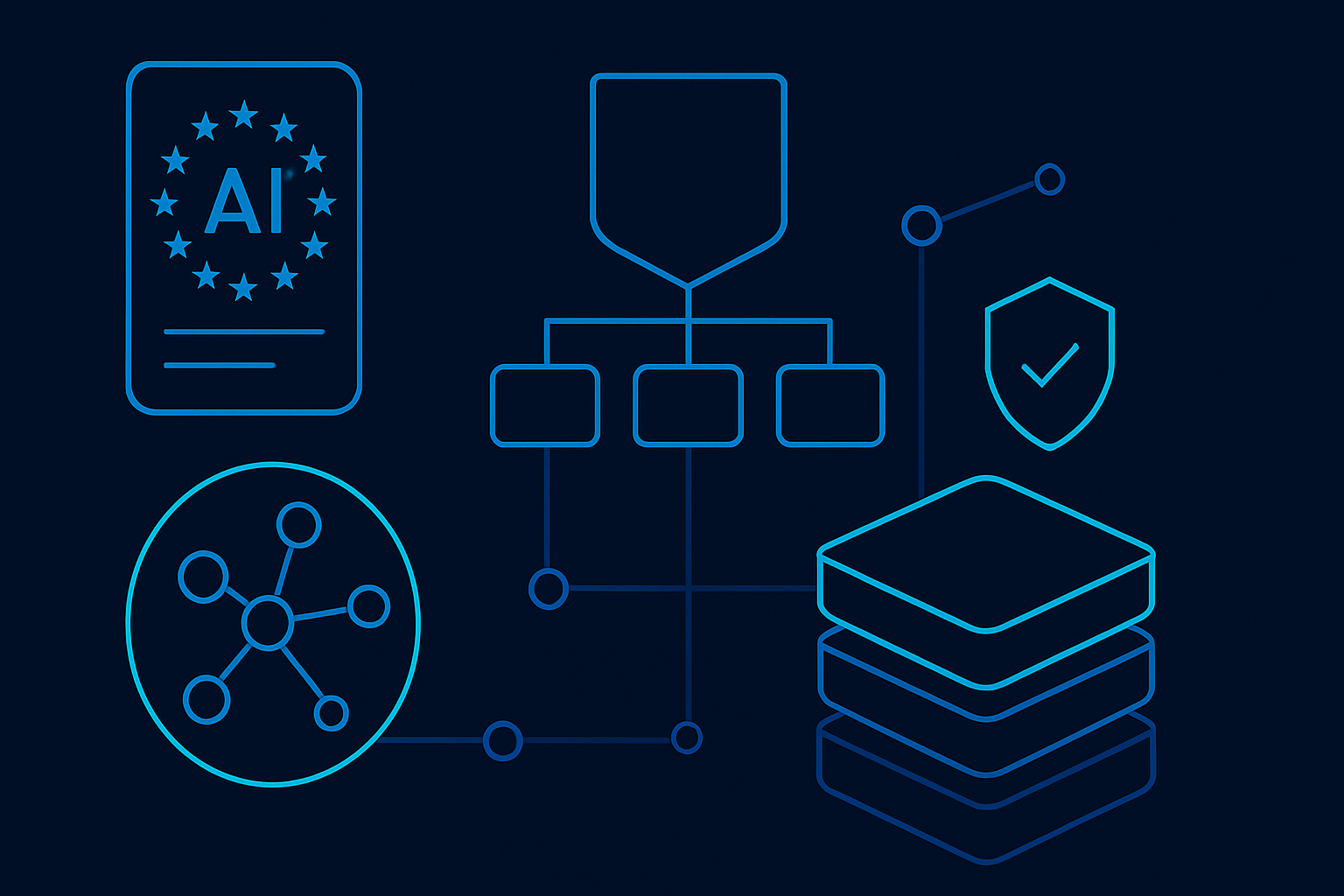
Building a Logging Pipeline for EU AI Act Article 12 Compliance
The EU AI Act aims to regulate AI systems, ensuring they are safe and respect fundamental rights. Article 12 specifically mandates comprehensive logging requirements for high-risk AI systems. This guide outlines practical steps to build a logging pipeline that meets these compliance mandates.
Understanding Article 12 Requirements
Article 12 emphasizes the importance of maintaining logs that document the functioning of AI systems. This includes:
- Data inputs
- Algorithmic processes
- Decisions made by the AI system
- Any alterations or updates to the system
Key Components of a Logging Pipeline
A robust logging pipeline consists of the following components:
- Data Collection: Gather logs from various sources, including application servers, databases, and user interactions.
- Data Storage: Use a scalable storage solution such as Amazon S3, Google Cloud Storage, or a dedicated database for log retention.
- Data Processing: Implement tools for real-time processing, such as Apache Kafka or Logstash, to analyze logs as they are generated.
- Data Analysis: Use analytics platforms like ELK Stack or Splunk to visualize and derive insights from logs.
- Compliance Reporting: Generate reports that meet the requirements of Article 12, showcasing transparency and accountability.
Steps to Implement a Logging Pipeline
Step 1: Define Log Requirements
Identify the specific data points required for compliance. Document what needs to be logged and ensure alignment with Article 12. This may involve collaboration with legal teams to interpret the legal language effectively.
Step 2: Select Technology Stack
Choose technologies that fit your enterprise architecture. Consider the following:
- Data Collection: Use tools like Fluentd or Logstash for log collection.
- Storage: Evaluate cloud storage solutions based on retention policies and access controls.
- Analysis: Select analysis tools based on your team's familiarity and the complexity of the data.
Step 3: Build the Pipeline
Integrate selected tools into a cohesive pipeline:
- Set up data collectors to capture logs from your systems.
- Implement storage solutions that ensure security and compliance with data protection laws.
- Configure data processing tools to handle data in real-time and batch formats.
Step 4: Ensure Data Security
Implement security measures to protect logged data:
- Encrypt logs in transit and at rest.
- Implement role-based access controls (RBAC) to restrict access to sensitive logs.
- Regularly audit log access and modifications.
Step 5: Archive and Retain Logs
Establish a log retention policy that complies with regulatory requirements. This should detail how long logs are kept and the process for secure deletion.
Step 6: Monitor and Optimize
Regularly monitor the effectiveness of the logging pipeline. Optimize for performance and adjust to any changes in compliance requirements or technology.
Practical Takeaway
Building a logging pipeline for EU AI Act compliance requires careful planning and implementation. By following a structured approach, organizations can meet the requirements of Article 12 while enhancing overall AI governance.
Conclusion
Building a logging pipeline is essential for meeting EU AI Act Article 12 compliance. A well-structured approach can safeguard data integrity while ensuring transparency and accountability in AI systems.
Frequently Asked Questions
What are the main requirements of Article 12?
Article 12 requires comprehensive logging of high-risk AI system operations, including data inputs, algorithmic decisions, and system changes.
What tools can help in building a logging pipeline?
Tools like Fluentd, Logstash, and ELK Stack are effective for log collection, processing, and analysis.
How long should logs be retained?
Log retention should comply with legal requirements and organizational policies, often ranging from six months to several years.
What security measures are needed for log data?
Encryption, access controls, and regular audits are critical for securing log data.
Can smaller organizations meet these compliance requirements?
Yes, smaller organizations can leverage cloud-based solutions to build scalable logging pipelines that meet compliance needs.
Download the Build a Logging Pipeline Checklist
Enter your email to download the implementation checklist (Markdown).
We will email you the checklist and occasionally send AI governance insights. Unsubscribe anytime.
Get new articles in your inbox
One email when something ships. No drips. No funnels.

Subodh KC
AI Systems Architect & Governance Expert. Former Fortune 50 AI Strategy CTL. Founder of HAIEC — Holistic AI Ethics & Compliance. 16+ years building production AI systems from startups to global enterprise.